ماذا تعني الطباعة العدسية في workflows صور hologram
الطباعة العدسية هي طريقة طباعة تستخدم lens sheets وعدة image views من أجل إنشاء تأثيرات العمق أو تغيّر زاوية الرؤية من سطح مطبوع ثابت.
الفكرة الأساسية
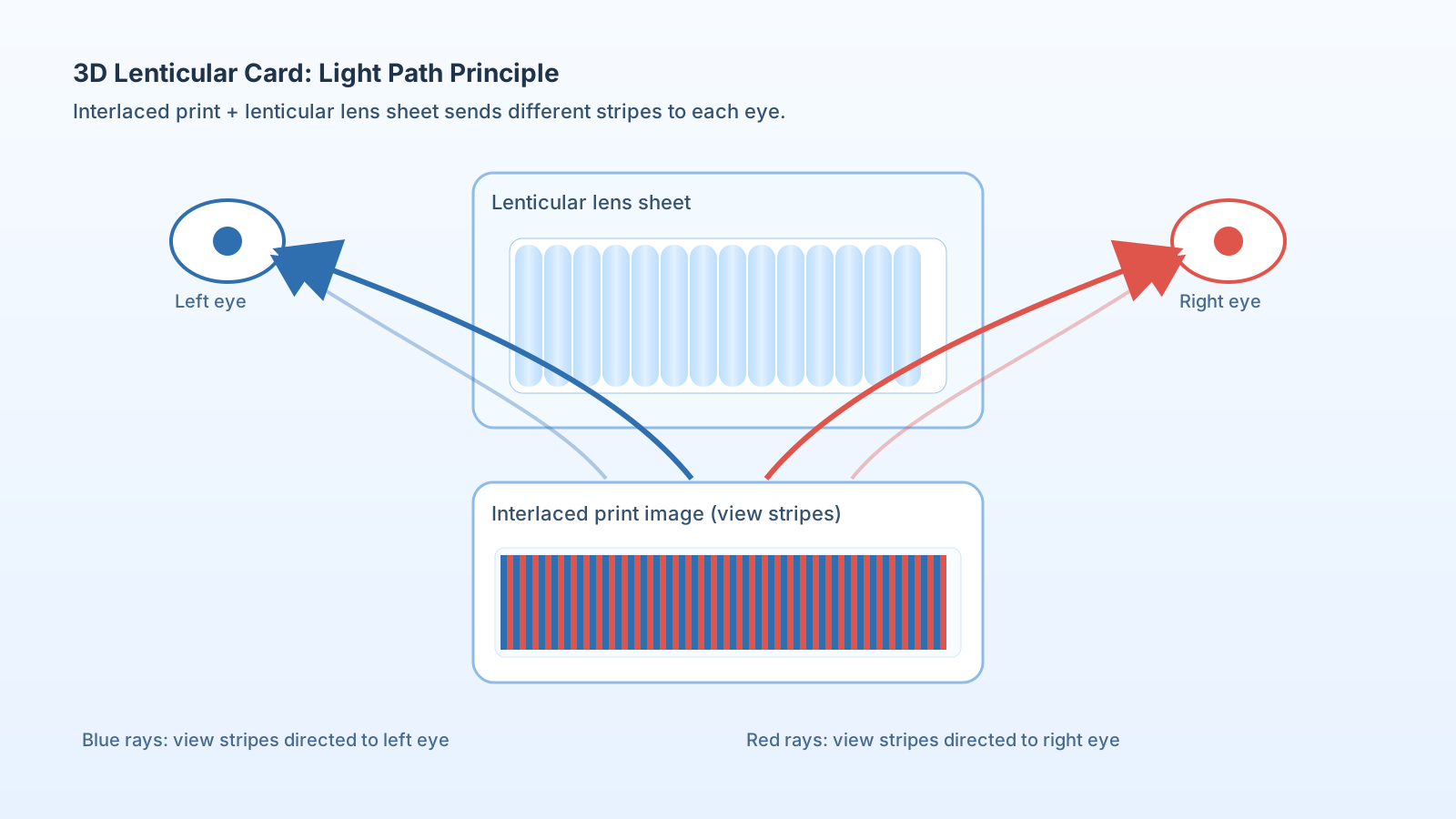
بدلًا من طباعة صورة مسطحة واحدة، تقوم workflows العدسية بدمج عدة views للموضوع نفسه ثم محاذاتها تحت lenticular lens sheet.
ومع تغيّر زاوية المشاهدة، تصبح image slices مختلفة مرئية، وهو ما يخلق في print النهائي وهم العمق أو الحركة أو تغيّر الزاوية.
كيف يعمل workflow نموذجي
- جهّز source يحتوي إما على عدة views أو على بنية كافية لاشتقاقها.
- قم بعمل interlace لبيانات الصورة بحيث توجّه كل lens المقاطع الصحيحة إلى viewer.
- طابق output dimensions وpitch settings مع print material المقصود.
- اختبر print ثم عدّل depth أو spacing أو source quality حسب الحاجة.
متى يكون الأداء أفضل
تعمل الطباعة العدسية بأفضل شكل عندما يكون في source فصل واضح للموضوع، وعمق مضبوط، وخطة مشاهدة تتوافق مع print material.
أخطاء شائعة في الفهم
- افتراض أن أي image يمكن أن تنتج print قويًا بأسلوب hologram من دون depth planning.
- التعامل مع lenticular print كما لو كان مطابقًا لعتاد holographic display الفوري.
- تجاهل pitch وprint alignment وsource consistency أثناء إعداد output.
جرّب workflow جاهزًا للطباعة
استخدم workflows 2D أو 3D أو AI داخل 3D2HOLO لإعداد source imagery المناسب لإنتاج الطباعة العدسية.
افتح الأدواتالأسئلة الشائعة
هل الطباعة العدسية هي نفسها hologram display؟
لا. قد يشتركان في سلوك مشاهدة يشبه parallax، لكن الطباعة العدسية هي print process ثابت، بينما holographic displays هي أنظمة مشاهدة قائمة على الأجهزة.
لماذا تُعد multiple views مهمة؟
لأن multiple views هي ما يسمح لـ print النهائي بإظهار slices مختلفة من المشهد عبر viewing angles مختلفة، وبهذه الطريقة يتم إدراك العمق أو الحركة.
ما الذي يجعل source file مناسبًا للطباعة العدسية؟
الفصل الواضح للموضوع، والتخطيط المستقر للعمق، والدقة الكافية، وworkflow الذي يطابق print material النهائي، كلها عوامل مهمة.