Light field, lenticular और hologram image: ये terms आमतौर पर क्या मतलब रखते हैं
इन terms को अक्सर interchangeable तरीके से इस्तेमाल किया जाता है, लेकिन ये बिल्कुल एक जैसे नहीं हैं। Practical workflows में एक term source data को, दूसरा print method को, और तीसरा उस visual effect को describe कर सकता है जिसे लोग देखना चाहते हैं।
Terminology क्यों गड़बड़ा जाती है
लोग अक्सर किसी भी depth-rich image को hologram कह देते हैं, भले ही underlying workflow strict technical sense में holography न हो। Consumer और print contexts में language अक्सर precise से ज़्यादा practical होती है।
इसका मतलब है कि एक ही project में light field style source imagery, print method के रूप में lenticular interlacing, और final output शामिल हो सकता है जिसे लोग casually hologram image कह देते हैं।
Light field
Light field आमतौर पर multi-view image data को refer करता है जो यह capture या simulate करती है कि scene अलग-अलग viewpoints पर कैसे बदलता है। यह final print format से ज़्यादा source representation के करीब है।
Lenticular
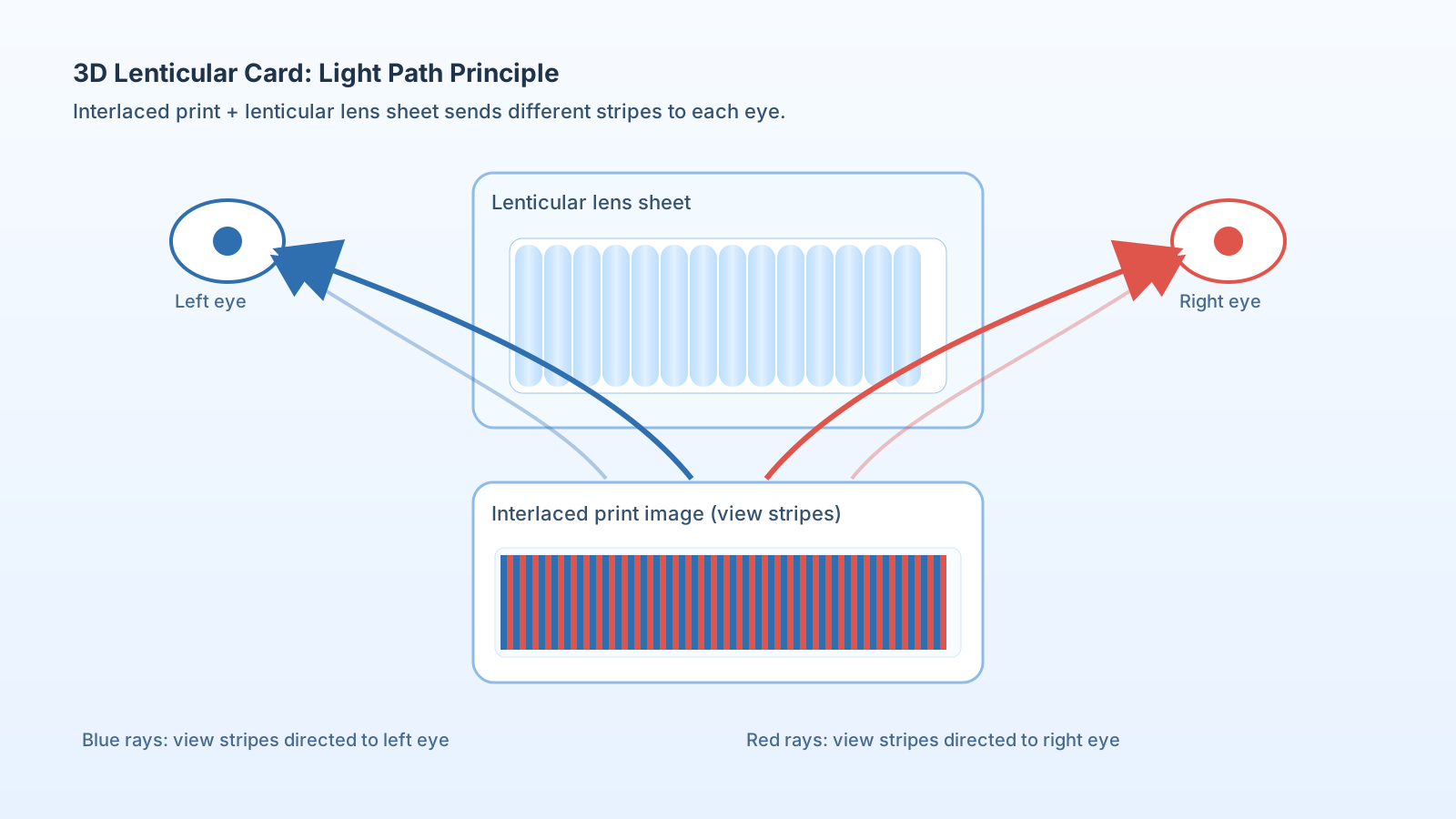
Lenticular आमतौर पर उस print या display method को refer करता है जो interlaced views और lens structure का उपयोग करके अलग-अलग viewing angles से depth या motion बनाती है।
Hologram image
Hologram image अक्सर एक user-facing umbrella term होती है। कई commercial contexts में यह उस visual result को describe करती है जो लोग चाहते हैं, भले ही underlying production method true holography के बजाय lenticular हो।
इन terms को समझने का एक practical तरीका
- Multi-view image information या viewpoint-rich source data की बात करते समय light field का इस्तेमाल करें।
- उन views को angle-dependent output में बदलने वाली print या display technique को describe करते समय lenticular का इस्तेमाल करें।
- Perceived 3D या depth effect के user-facing description के रूप में hologram image का उपयोग सावधानी से करें।
- जब precision matter करती हो, तो सब कुछ एक label में समेटने के बजाय source representation और final output method दोनों समझाएँ।
सबसे अच्छी working definition
इस product context में आमतौर पर सबसे सटीक यह कहना होता है कि 3D2HOLO source images, 3D scenes या AI multi-view outputs को lenticular-ready images में बदलता है, जिन्हें कई users hologram prints के रूप में describe करते हैं।
सामान्य terminology mistakes
- Production method clarify किए बिना हर multi-view या depth image को true hologram कहना।
- Light field और lenticular को ऐसे इस्तेमाल करना जैसे वे हमेशा एक ही चीज़ हों।
- सिर्फ visual effect explain करना, लेकिन उसके पीछे के actual source या print workflow को न समझाना।
Workflow को सीधे आज़माएँ
अगर आप देखना चाहते हैं कि ये concepts practice में कैसे जुड़ते हैं, तो 2D image, 3D model या AI multi-view source से शुरू करें और उसे lenticular-ready output में convert करें।
2D generator खोलेंअक्सर पूछे जाने वाले सवाल
क्या lenticular print और hologram एक ही चीज़ हैं?
Strictly नहीं। Lenticular print एक specific output method है। लोग अक्सर result को holographic कहते हैं क्योंकि यह depth effect बनाता है, लेकिन production method true holography से अलग है।
क्या light field और lenticular output एक ही चीज़ हैं?
नहीं। Light field आमतौर पर source data या viewpoint representation को refer करता है, जबकि lenticular multi-view data को physical print या display में बदलने का एक तरीका है।
3D2HOLO अक्सर hologram शब्द का उपयोग क्यों करता है?
क्योंकि जब users depth-rich print image चाहते हैं, तो वे अक्सर उसी term को search करते हैं, भले ही practical workflow अक्सर lenticular-ready multi-view imagery पर आधारित हो।