Looking Glass या lenticular print: कौन सा workflow बेहतर fit बैठता है
दोनों workflow कई viewpoints दिखाने और depth effect बनाने की कोशिश करते हैं, लेकिन वे अलग समस्याएं हल करते हैं। एक digital display path है और दूसरा physical print path।
यह फर्क क्यों मायने रखता है
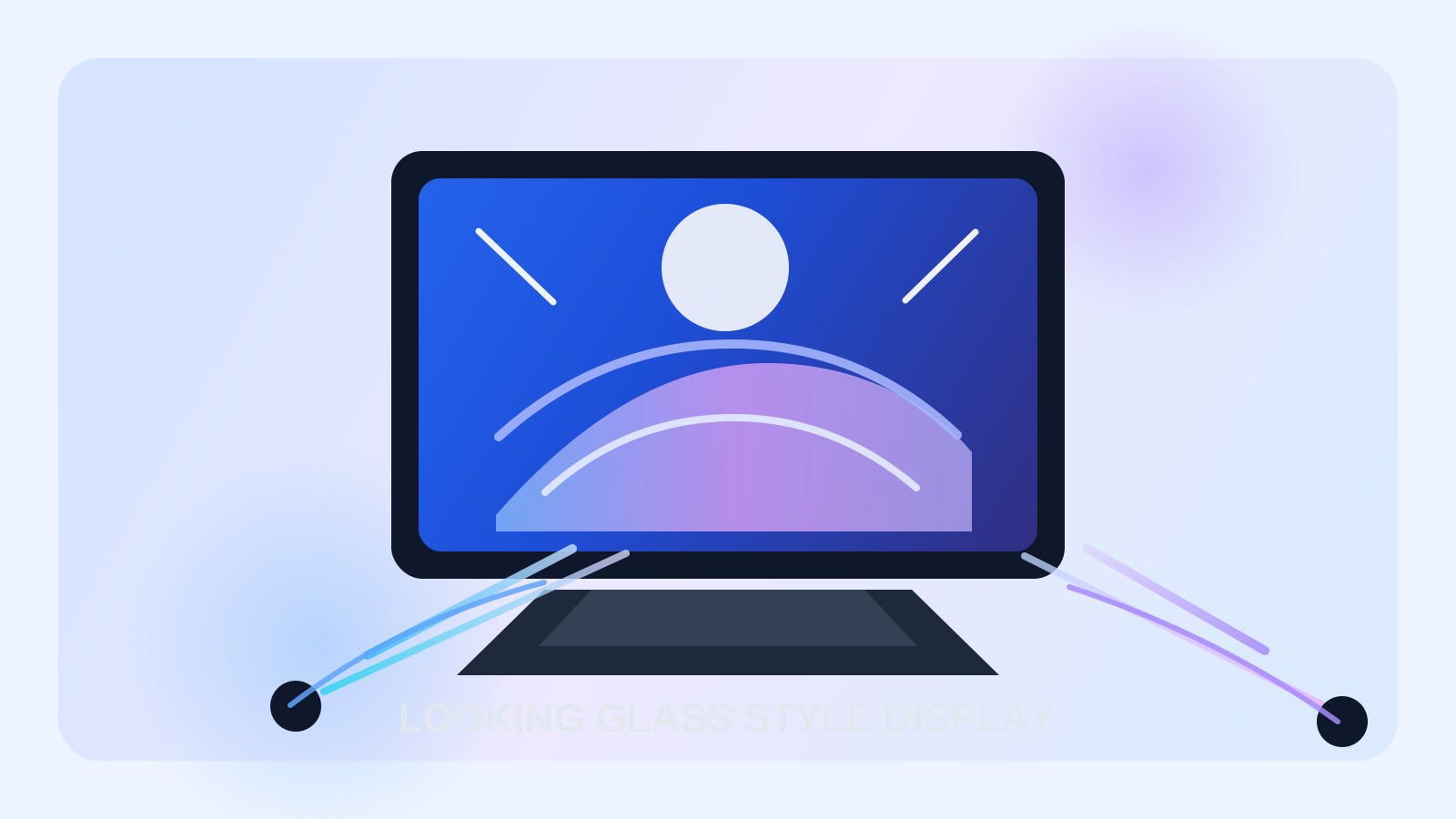
Looking Glass स्टाइल workflow digital playback और device-specific light field presentation पर केंद्रित होता है। Lenticular workflow interlaced output पर केंद्रित होता है, जो printed या laminated surface के लिए तैयार किया जाता है।
इसका मतलब है कि asset preparation, output format, viewing conditions और delivery expectations शुरुआत से ही अलग हो जाते हैं, भले ही दोनों workflow multi-view imagery से शुरू हों।
Looking Glass
Interactive presentations, device-based playback, repeated viewing और digital demos के लिए सबसे अच्छा, जब target printed object नहीं बल्कि compatible display हो।
Lenticular print
Physical output, printed presentation pieces, packaging, signage और उन workflows के लिए सबसे अच्छा जहां final result को एक tangible object के रूप में मौजूद होना है।
साझा आधार
दोनों अक्सर multi-view source imagery और viewpoint planning पर निर्भर करते हैं, इसी वजह से teams concept और production stages के बीच इनके बीच switch करती हैं।
चुनाव करने का एक आसान तरीका
- सबसे पहले तय करें कि final deliverable display-based experience होगा या printed object।
- अगर output को compatible device पर चलना है, तो light field display preparation के हिसाब से सोचें।
- अगर output को print, ship या physically install करना है, तो lenticular print preparation के हिसाब से सोचें।
- जहां संभव हो वही source concepts reuse करें, लेकिन यह मत मानें कि एक ही export अपने आप दोनों targets के लिए optimal होगा।
सबसे उपयोगी decision rule
Digital display experiences के लिए Looking Glass स्टाइल workflows चुनें और physical deliverables के लिए lenticular print workflows। Shared multi-view logic का उपयोग करें, लेकिन output को real destination के लिए optimize करें।
सामान्य गलतियां
- Device playback output को ऐसे treat करना जैसे वह पहले से print के लिए optimized हो।
- Digital display और physical lenticular sheet के viewing constraints के फर्क को ignore करना।
- यह मान लेना कि एक ही multi-view export बिना adjustment दोनों targets को equally well serve करेगा।
Print-ready output तैयार करें
अगर आपका target physical hologram-style print है, तो सीधे lenticular workflow का उपयोग करें ताकि output display playback के बजाय print constraints के लिए तैयार हो।
2D generator खोलेंअक्सर पूछे जाने वाले सवाल
क्या Looking Glass वही चीज है जो lenticular print है?
नहीं। Looking Glass एक digital light field display context है, जबकि lenticular print एक physical print method है। वे source ideas share कर सकते हैं, लेकिन final output targets अलग होते हैं।
क्या एक ही source asset दोनों के लिए इस्तेमाल हो सकता है?
कभी-कभी हां, खासकर concept stage पर। लेकिन production में हर target को आमतौर पर target-specific tuning और formatting से फायदा मिलता है।
मुझे display workflow की जगह lenticular print कब चुनना चाहिए?
जब आपको packaging, signage, promotional material या ऐसा कोई physical deliverable चाहिए जो dedicated display device के बिना मौजूद रह सके, तब lenticular print चुनें।