AI multi-view 와 3D 렌더링: 어떤 workflow 가 당신의 print goal 에 더 잘 맞는가?
AI multi-view generation 은 concept exploration 에 더 빠르고, 3D rendering 은 geometry, camera, repeatable print output 에 대해 더 강한 control 을 제공합니다.
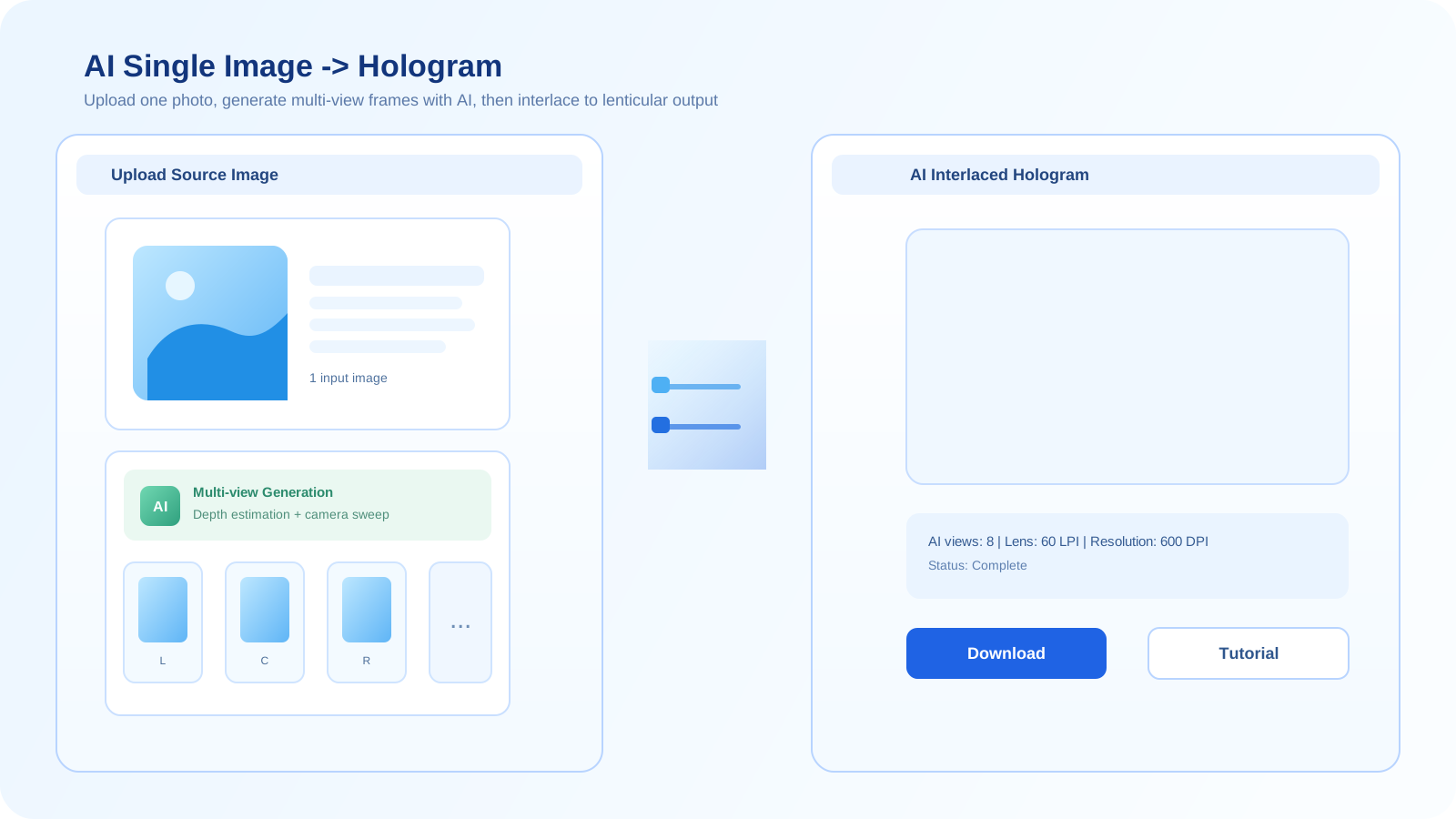
두 workflow 사이에서 실제로 달라지는 점
AI multi-view 는 speed 가 가장 중요하고, full 3D scene 을 만들지 않은 채 여러 plausible views 가 필요할 때 가장 강합니다.
3D rendering 은 real geometry, stable camera behavior, 그리고 final print production 을 위한 cleaner depth control 이 필요할 때 더 강력합니다.
AI multi-view 가 더 나은 선택인 경우
rapid concept testing, early product direction, moodboards, 또는 아직 real 3D asset 이 없는 상황에서는 AI multi-view 를 선택하는 것이 적절합니다.
AI 생성기 열기3D rendering 이 더 나은 선택인 경우
exact geometry, more reliable depth, better lighting control, 그리고 repeatable lenticular output 으로 가는 cleaner route 가 필요하다면 3D rendering 을 선택해야 합니다.
3D 생성기 열기속도
AI multi-view 는 first-pass exploration 과 direction testing 에 보통 더 빠릅니다.
제어력
3D rendering 은 production use 에서 camera, material, depth control 이 훨씬 더 강합니다.
출력 안정성
최종 결과가 exact geometry 와 repeatable viewing behavior 에 의존할 때, 3D rendering 이 일반적으로 더 안정적입니다.
자주 묻는 질문
AI multi-view 는 print work 에 충분한가요?
concept 와 일부 print-prep scenarios 에는 충분할 수 있지만, 본질적으로 true geometry-driven pipeline 이 아니라 estimation workflow 입니다.
AI 가 더 빠른데도 왜 여전히 3D rendering 을 써야 하나요?
3D rendering 은 camera behavior, depth range, lighting, repeatable output quality 에 대해 더 신뢰할 수 있는 control 을 제공하기 때문입니다.
어느 쪽부터 시작해야 하나요?
speed 와 ideation 이 가장 중요하다면 AI 부터 시작하세요. 이미 model assets 가 있거나 final print quality 가 precise geometry 에 달려 있다면 3D 부터 시작해야 합니다.