Looking Glass와 렌티큘러 프린트: 어떤 워크플로가 더 잘 맞을까
두 워크플로 모두 여러 시점을 보여주고 깊이 효과를 만드는 것을 목표로 하지만, 해결하는 문제는 다릅니다. 하나는 디지털 디스플레이를 위한 경로이고, 다른 하나는 실물 인쇄를 위한 경로입니다.
왜 이 구분이 중요한가
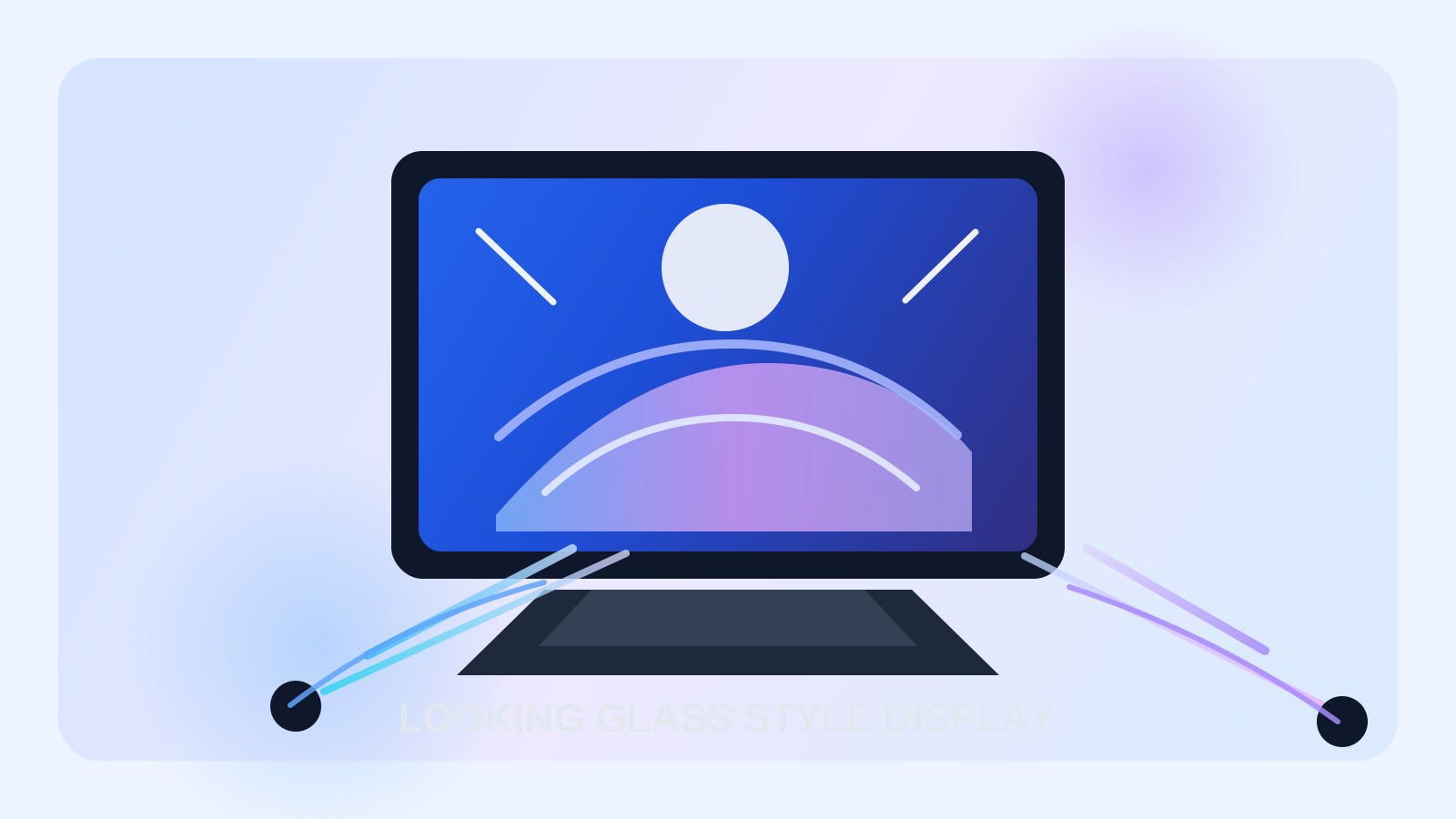
Looking Glass 스타일 워크플로는 디지털 재생과 기기별 light field presentation을 중심으로 합니다. 렌티큘러 워크플로는 인쇄되거나 라미네이팅된 표면을 위한 인터레이스 출력에 초점을 둡니다.
즉, 두 워크플로가 모두 multi-view imagery로 시작하더라도, asset 준비 방식, 출력 형식, 시청 조건, 전달 기대치는 처음부터 달라집니다.
Looking Glass
인터랙티브한 presentation, 기기 기반 재생, 반복적인 디지털 demo에 적합하며, 최종 대상이 printed object가 아니라 호환 가능한 display일 때 가장 잘 맞습니다.
렌티큘러 프린트
실물 출력, 인쇄 프레젠테이션 자료, 패키징, 사인물, 그리고 최종 결과물이 tangible object로 존재해야 하는 workflow에 적합합니다.
공통 기반
두 방식 모두 multi-view source imagery와 시점 계획에 의존하는 경우가 많기 때문에, 팀은 기획 단계와 제작 단계 사이에서 두 경로를 오가기도 합니다.
간단한 선택 방법
- 최종 결과물이 display-based experience인지 printed object인지 먼저 결정하세요.
- 출력이 호환 기기에서 동작해야 한다면 light field display preparation 관점으로 생각하세요.
- 출력을 실제로 인쇄하고 배송하거나 설치해야 한다면 렌티큘러 프린트 preparation 관점으로 생각하세요.
- 가능하면 같은 source concept를 재사용하되, 하나의 export가 두 목적 모두에 자동으로 최적화된다고 가정하지 마세요.
가장 실용적인 판단 기준
디지털 display experience에는 Looking Glass 스타일 workflow를, 실물 deliverable에는 렌티큘러 프린트 workflow를 선택하세요. 공통 multi-view logic은 활용하되, 실제 목적지에 맞게 output을 최적화해야 합니다.
자주 하는 실수
- 기기 재생용 output을 이미 인쇄에 최적화된 결과라고 생각하는 것.
- 디지털 display와 실제 렌티큘러 시트의 시청 조건 차이를 무시하는 것.
- 하나의 multi-view export가 별도 조정 없이 두 목적 모두에 동일하게 잘 맞을 것이라고 가정하는 것.
인쇄용 output 준비하기
목표가 실물 hologram-style print라면 display playback이 아니라 print constraints에 맞춰 출력이 준비되도록, 처음부터 렌티큘러 워크플로를 사용하는 것이 좋습니다.
2D 생성기 열기자주 묻는 질문
Looking Glass와 렌티큘러 프린트는 같은 것인가요?
아니요. Looking Glass는 디지털 light field display 맥락이고, 렌티큘러 프린트는 물리적인 인쇄 방식입니다. 같은 출발 아이디어를 공유할 수는 있지만 최종 output target은 다릅니다.
같은 source asset을 두 방식 모두에 사용할 수 있나요?
기획 단계에서는 가능할 때도 있습니다. 하지만 production에서는 각 target에 맞는 tuning과 formatting을 따로 하는 편이 보통 더 좋습니다.
언제 display workflow 대신 렌티큘러 프린트를 선택해야 하나요?
전용 display device 없이도 존재해야 하는 physical object, 예를 들면 packaging, signage, promotional material 같은 deliverable이 필요할 때는 렌티큘러 프린트를 선택해야 합니다.