लेंटिकुलर और होलोग्राम प्रिंटिंग शब्दावली
कई लेंटिकुलर projects इसलिए धीमे पड़ जाते हैं क्योंकि teams एक ही शब्द को अलग-अलग अर्थों में इस्तेमाल कर रही होती हैं। यह glossary hologram-image, print और multi-view workflows में इस्तेमाल होने वाले सबसे आम शब्दों को standardize करने के लिए बनाई गई है।
यह glossary क्यों महत्वपूर्ण है
जब teams pitch, LPI, depth range और interlacing जैसे शब्दों को गड़बड़ा देती हैं, तो वे अक्सर गलत workflow चुन लेती हैं या प्रक्रिया के गलत हिस्से में समस्या ढूँढती हैं।
एक shared vocabulary 2D, 3D, AI और Sketchfab workflows की तुलना आसान बनाती है, print vendors के साथ communication बेहतर करती है और अनावश्यक test cycles से बचाती है।
लेंटिकुलर प्रिंटिंग
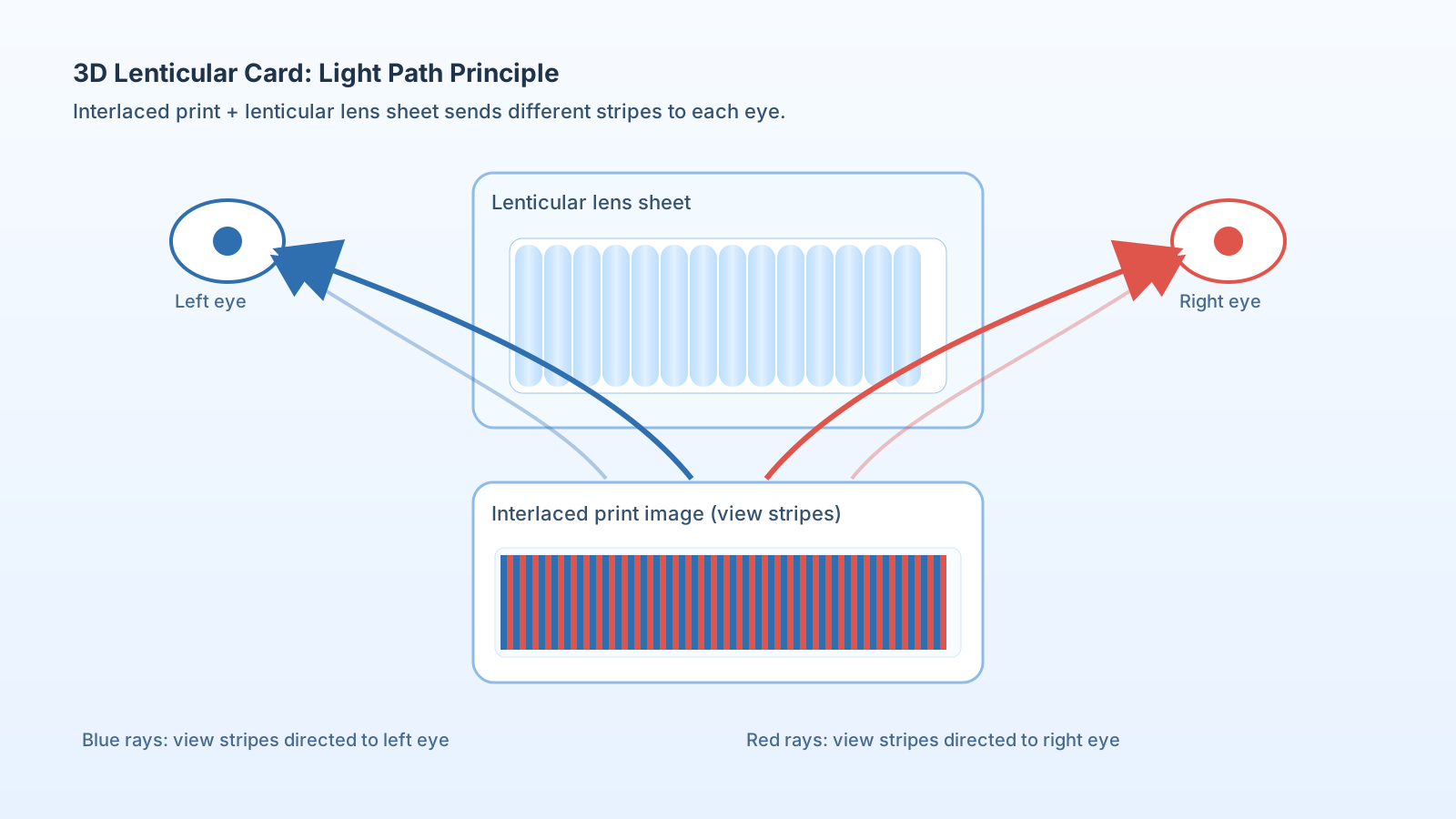
एक print process जिसमें interlaced imagery के ऊपर ridged lens sheet रखी जाती है, ताकि अलग-अलग angles से अलग-अलग views दिखाई दें और depth या motion effects बनें।
होलोग्राम image
इस site पर hologram image आमतौर पर ऐसी print-ready या display-oriented image sequence को कहा जाता है जो depth illusion बनाने के लिए डिज़ाइन की गई हो, न कि एक true laser-recorded hologram को।
Interlacing
कई views को एक single striped image में combine करने की प्रक्रिया, ताकि हर lenticular lens intended view को viewer तक पहुँचा सके।
LPI
Lenses per inch. यह lenticular lens sheet की density को मापता है और सीधे यह तय करता है कि interlaced output कैसे तैयार किया जाना चाहिए।
Pitch test
एक calibration test जिसका उपयोग effective lens pitch और alignment खोजने के लिए किया जाता है, जो real printer, substrate और lens sheet combination से match करे।
Multi-view
ऐसी images का set जो एक ही subject को थोड़ा अलग viewpoints से दिखाता है, ताकि lenticular output में depth या motion reconstruct की जा सके।
Depth range
Final result में महसूस होने वाली आगे-पीछे की depth span. बहुत ज़्यादा depth unstable या uncomfortable लग सकती है, जबकि बहुत कम depth flat दिख सकती है।
Viewpoint consistency
एक sequence कितनी अच्छी तरह neighboring views के बीच same subject identity, geometry, framing और material behavior को बनाए रखती है।
Geometry
किसी model या scene की वास्तविक 3D structure. Geometry महत्वपूर्ण है क्योंकि यह single flat image की तुलना में ज़्यादा reliable camera control और depth देती है।
Quilt या view grid
कई views का tiled arrangement, जो अक्सर display workflows में या final interlacing से पहले views की coherence जाँचने के intermediate तरीके के रूप में इस्तेमाल होता है।
Workflow decisions में इन terms का उपयोग कैसे करें
अगर आपकी main problem calibration है, तो pitch, LPI और interlacing पर focus करें। अगर problem unstable depth या bad perspective है, तो viewpoint consistency, depth range और geometry पर focus करें।
Source selection के लिए, flat image आमतौर पर 2D या AI workflow की ओर इशारा करती है, जबकि real geometry 3D workflow की ओर। जब print precision महत्वपूर्ण हो, तो geometry और calibration terms आमतौर पर generative speed terms से ज़्यादा मायने रखते हैं।
एक quick calibration path चाहिए?
Pitch test tool का उपयोग तब करें जब आपकी सबसे बड़ी unknown यही हो कि real lens sheet और printer साथ में कैसे behave करेंगे।
Pitch test tool खोलेंWorkflows compare करने हैं?
अगर production से पहले आप अभी भी 2D, 3D या AI generation के बीच decide कर रहे हैं, तो workflow comparison guide का उपयोग करें।
Workflow comparison guide पढ़ेंअक्सर पूछे जाने वाले सवाल
क्या lenticular print और real hologram एक ही चीज़ हैं?
सख़्त technical sense में नहीं। Lenticular output multi-view imagery और lens sheet के ज़रिए depth या motion effects बनाता है, जबकि real hologram अलग तरीके से record किया जाता है। व्यवहार में, कई teams अब भी “hologram image” को lenticular-style depth imagery के shorthand के रूप में इस्तेमाल करती हैं।
LPI इतना महत्वपूर्ण क्यों है?
क्योंकि lens density तय करती है कि views को कितनी कसावट के साथ interlace और align करना होगा। अगर LPI assumptions गलत हों, तो अच्छी imagery भी print के बाद ghosted या soft लग सकती है।
Workflow choice के लिए कौन से terms सबसे ज़्यादा महत्वपूर्ण हैं?
Workflow choice के लिए सबसे उपयोगी terms हैं source image, geometry, multi-view, depth range, viewpoint consistency और pitch test। ये मिलकर आमतौर पर बता देते हैं कि 2D, 3D, AI या calibration work में से क्या पहले आना चाहिए।